
SCADA Applications
SCADA Substation System for Monitoring and Control in Power Stations
The SCADA system in a substation performs automation through two main functions: supervisory control and data acquisition, forming a complete SCADA substation solution.
In automation projects, designing a supervisory control and data acquisition system—known as SCADA substation—for a substation can be a challenging task.
PLC controls switching operations and monitors transformer equipment within a SCADA substation. Protective PLCs are only a few of the devices in a substation used for monitoring and data acquisition. Storing this data locally on devices alone does not serve an effective purpose.
In reality, most substations are automated. Therefore, transmitting this information to grid control centers or engineering offices is essential for system analysis and efficient management in a SCADA substation, similar to remote monitoring systems.
Remote Terminal Unit (RTU) panels in substation control systems are responsible for data acquisition by centralizing data from multiple sources within the SCADA substation.
These systems use data concentrators equipped with multiple I/O ports. When connected to field devices, they continuously poll and collect data, then transmit it to a central server and/or remote servers environment.
Modern data concentrators are not limited to serial ports. They also support Ethernet interfaces such as fiber optic ports and RJ45 (for CAT5 cables).
These ports enable LAN or IP-based network communication, ensuring reliable data transmission within the SCADA substation system.
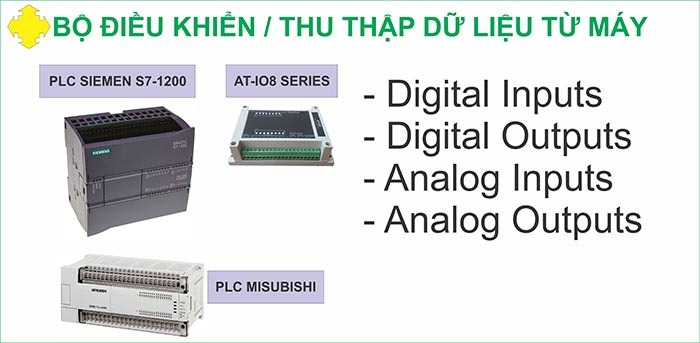
An IED (Intelligent Electronic Device), similar to a microprocessor-based relay, transmits information such as alarms, equipment status (of the monitored device), trip signals, and more to the RTU via communication ports in a SCADA substation.
Selecting the appropriate communication cable is the first step in establishing the communication path. However, to enable these two devices to truly communicate online, ATSCADA LAB needs to perform two key tasks within the SCADA substation system.
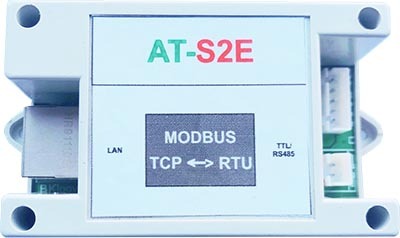
Commonly preferred protocols in the industry include Modbus TCP/IP, serial communication, and DNP3.0, with the latest standard being IEC 61850 in a SCADA substation.
In addition, engineers can use proprietary protocols such as Schweitzer’s Mirrored Bits for communication, typically limiting them to Schweitzer devices when building networks in a SCADA substation.
Engineers must configure the data concentrator to identify PLC locations within the substation network and map all required digital points in the PLC for polling.
Fortunately, with drag-and-drop functionality and standardized data point templates from many IEDs, modern data concentrators make mapping thousands of data points much less burdensome for engineers working system.
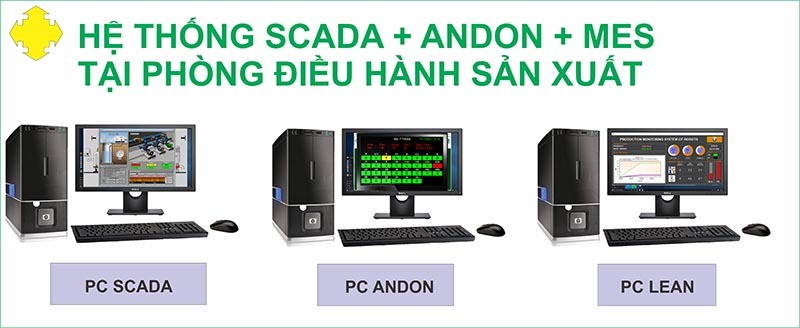
The data concentrator provides several additional capabilities . This device establishes any connection to the WAN system at a single point within the substation network.
- Engineers can configure the system with a firewall to block unauthorized access and enhance cybersecurity.
- The device supports a wide range of communication protocols and protocol conversion capabilities.
- It also provides a web-based Human Machine Interface (HMI). Its built-in web server allows remote users to access substation information through a web browser within a SCADA substation system.
- If operators require an HMI in the control room, they must install additional devices such as a display, keyboard, and mouse in the RTU panel.
ATSCADA LAB can build a network without requiring a substation LAN . For smaller substations, ATSCADA LAB can directly connect all IEDs to the data concentrator.
The system does not require an Ethernet switch, and engineers can install additional I/O ports on the device as needed.
ATSCADA - Providing ATSCADA software - The monitoring and data acquisition control system is the appropriate choice for integrated system projects, IoT, smart city projects, agriculture 4.0... Is trusted by many customers.
Related posts
Power SCADA System
Is it promising to apply a Power SCADA system in the power industry? The advantages [...]
Apr
Power Monitoring System Upgrade in Myanmar with ATSCADA
We are proud to announce our new partnership with Logic Master Co., Ltd, our official [...]
Oct
Wood Manufacturing SCADA System for Factory Automation
Wood Factory Digitalization has been a priority for many businesses to implement into their operational [...]
Oct
WAREHOUSE DIGITIZATION – WHY DO BUSINESSES NEED TO IMPLEMENT DIGITALIZATION?
WAREHOUSE DIGITALIZATION is daily increasing because of the great consumer requirements. Customers expect clarity and transparency [...]
Oct
THE HEALTHCARE INDUSTRY DIGITALIZATION IS ESSENTIAL AT PRESENT
The Healthcare Industry Digitalization is one of the most explosive digital revolutions at present. Along with [...]
Oct
DIGITALIZATION IN ASSEMBLY FACTORY IN THE NEW TECHNOLOGY AGE AND INTEGRATION TREND
Recently, digitization in assembly factories in particular and digitization in factories in general has been [...]
Oct